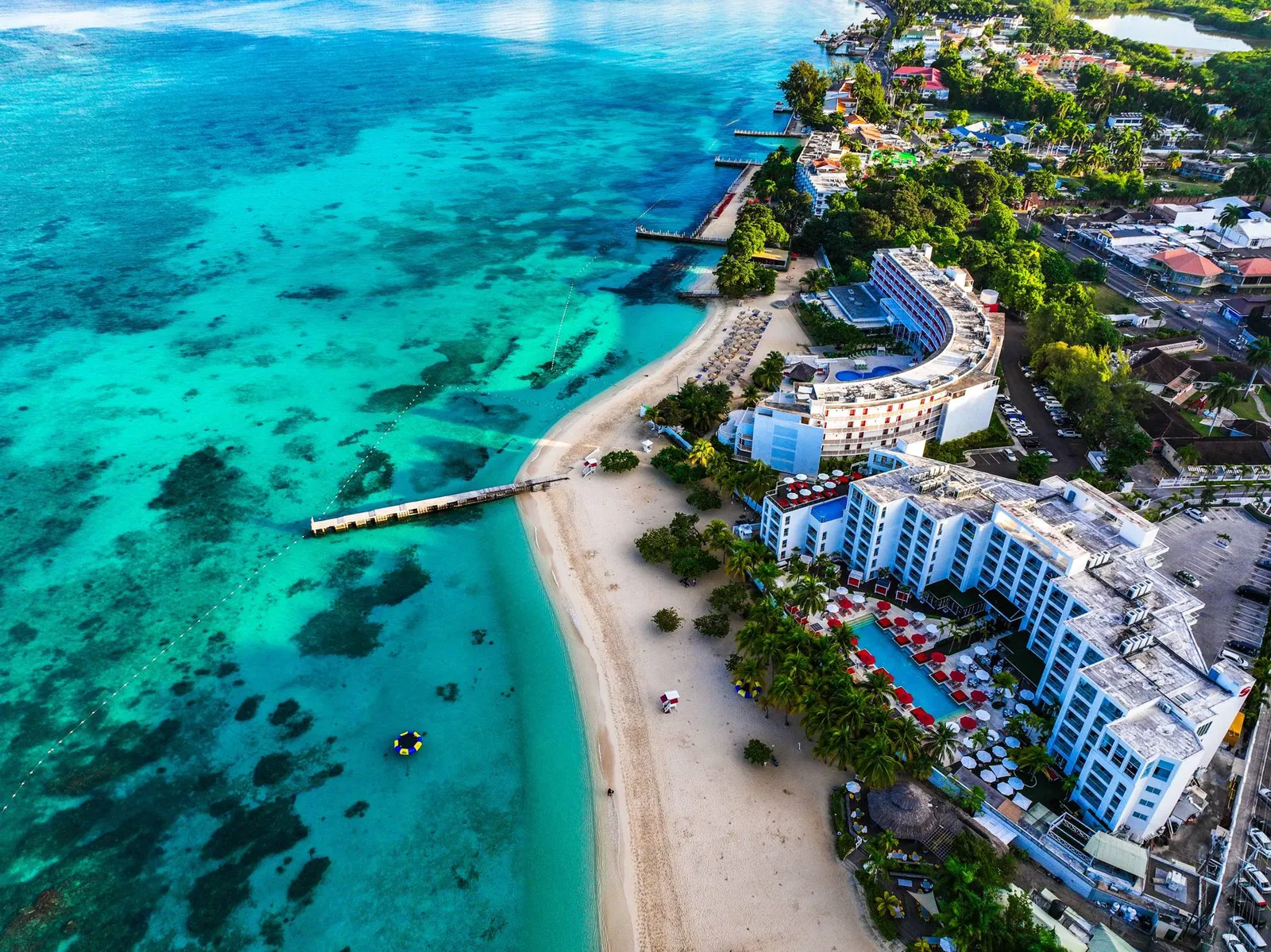
Anyone who has driven through Montego Bay this year knows the city is changing. There are cranes on the skyline, detours around the new roads and hoardings around sites that were empty not long ago. It can be inconvenient. It is also, in my view, one of the most encouraging things to happen to the city’s property market in a generation.
The growth, in numbers
- Roads. The US$354 million Montego Bay Perimeter Road includes the 15-kilometre Montego Bay Bypass, targeted to open at the end of September 2026, and the 11-kilometre Long Hill Bypass, scheduled for May 2027.
- The airport. Sangster International has resumed expansion work paused after Hurricane Melissa. The Observer reports that the check-in expansion is at the tail end, with a new western access from Godfrey Dyer Boulevard planned for expected growth in traffic.
- Hotels. The Gleaner reports that US$4.2 billion in hotel investment was facilitated in the year to March 2026, adding 8,943 new rooms across Jamaica.
- Resorts. Hard Rock International received Cabinet approval in August 2026 for a proposed integrated resort in Montego Bay, a three-phase development projected at US$756.9 million and 1,801 rooms.
- Homes. Richmond Hill Club is planned as a 526-residence community overlooking the bay, while The Pinnacle and One Reading are rising in Reading.
- The waterfront. The government has outlined plans for a mixed-use Freeport waterfront and a redesign of the Hip Strip.
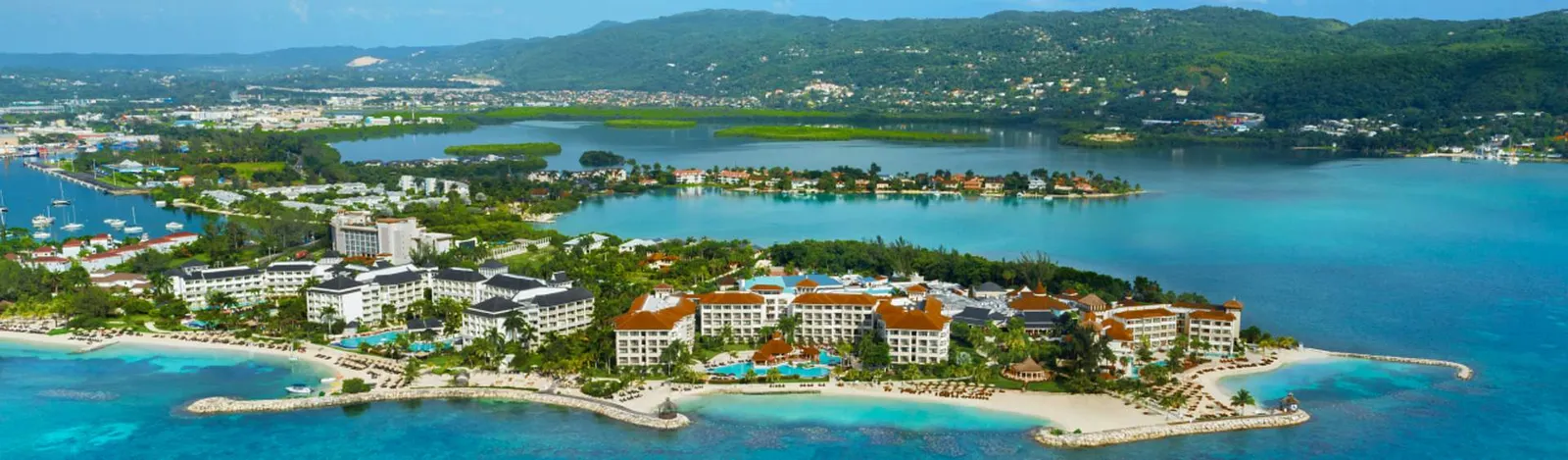
Why growth is good for property
Jobs create housing demand. Every new hotel room needs people to run it, and those people need somewhere to live. So do the managers, engineers, doctors and business owners who follow investment into a city. That demand is felt across the market, from apartments to family homes.
Infrastructure makes places easier to live in. When the bypass takes through-traffic out of the city centre, communities that felt far away start to feel close. Time to the airport is one of the first questions my overseas clients ask.
Amenities follow people. Restaurants, schools, medical services and shopping grow where residents and visitors are. That makes a city more pleasant day to day, and more attractive to the next buyer.
Confidence attracts confidence. International brands and large developers do extensive due diligence before committing to a market. When several reach the same conclusion about Montego Bay, it gives other buyers and lenders reassurance.
The Gleaner reported in June that the real estate boom continues across Jamaica, with Montego Bay described as “hot” and demand surging for apartments and standalone homes in gated communities, helped by the expansion of the road network.
What to keep in perspective
Growth does not lift every property equally, and it comes with trade-offs. Construction brings traffic and disruption. Timelines slip: the Perimeter Road was paused for a safety review in September, and Hurricane Melissa in October 2025 set back both the road and the airport works. Announcements are not the same as delivery.
That is why I look at each property on its own merits: relevant properties nearby, price per square foot, carrying costs and how the surrounding area is likely to change. The best opportunities are usually in the places growth is heading, bought with a clear understanding of what is already in the price.
My view
A growing city is good news for owners and for buyers who choose carefully. Montego Bay is getting better roads, a bigger airport, new homes and a more ambitious waterfront. If you have been watching from the sidelines, it is worth understanding what that could mean for the property you own, or the one you are considering.